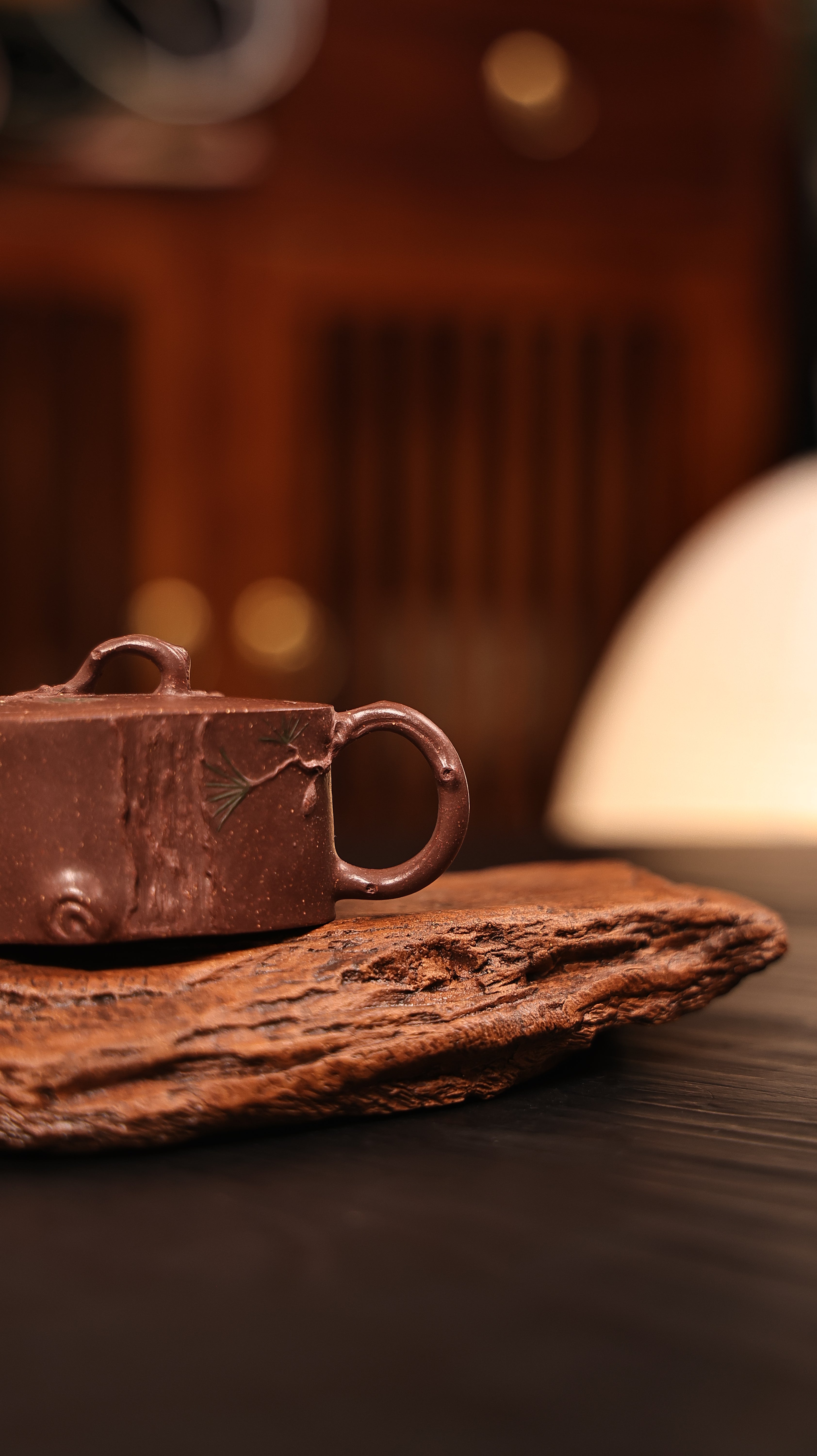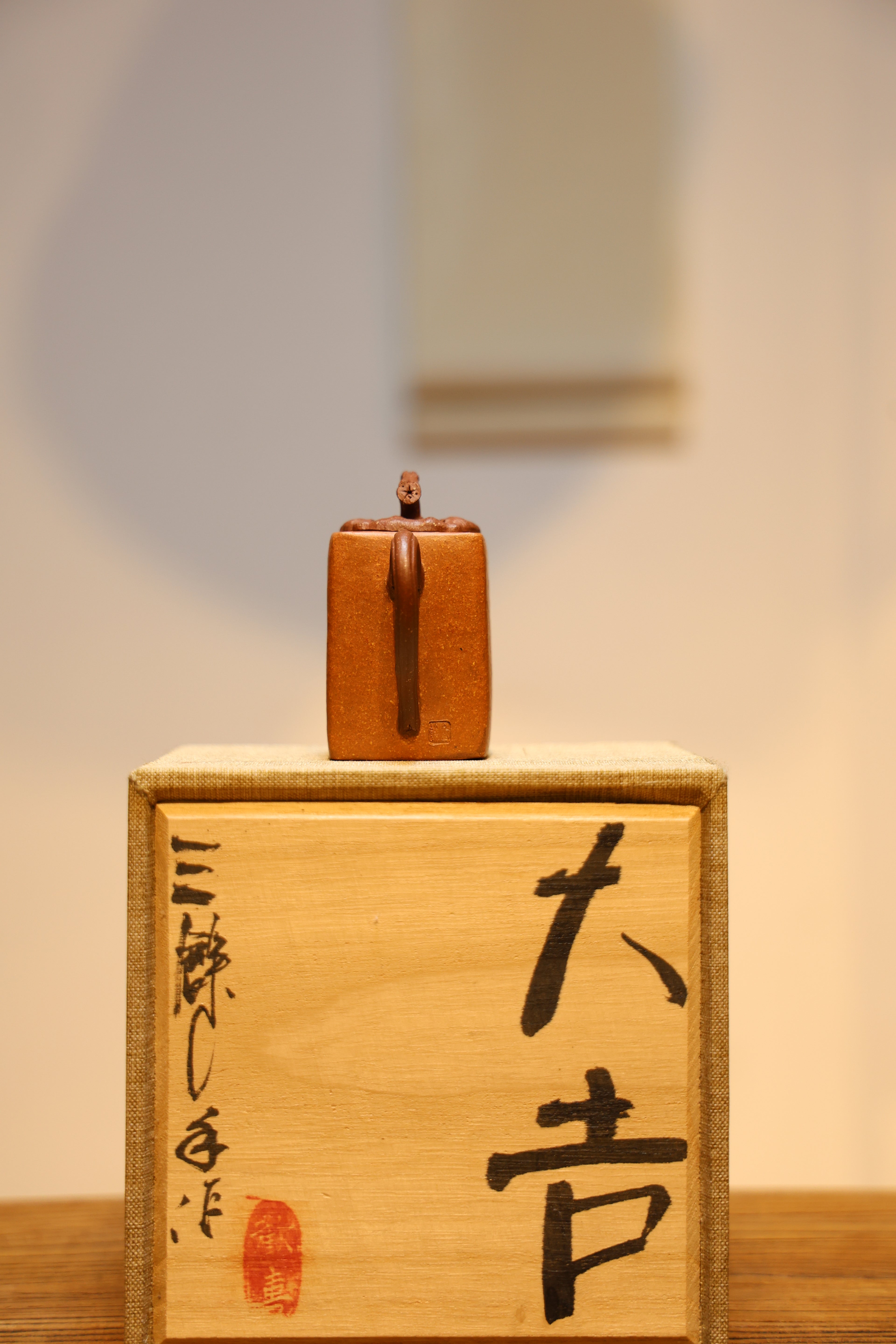
Centuries of connoisseurs have desired the singular fascination of Yixing Zisha earthenware. Hailing in the tranquil town of Yixing, the land, these earthenware are shaped from a unique and sourced purple clay renowned for its outstanding thermal properties and facility to intensify the bouquet of beverages. Aside from their practical significance, Zisha teapots illustrate a vast heritage tradition, rendering them markedly coveted and a authentic treasure for any committed teapot aficionado.
Investigating Yixing Clay Pots
Classic teapots demonstrate a distinctive synthesis of history and expert craftsmanship. Emerging in Yixing, Jiangsu Province of China, their narrative originates in the Ming Dynasty, although documentation suggest earlier manifestations. The exceptional auburn clay, called Zisha, found solely in the Yixing region, is the principal component, contributing to the pots' outstanding heat retention and the manner they shape the aroma of tea. Sequences of potters have enhanced techniques—often passed down through families—including crafting the clay, applying intricate embellishments, and firing the pots at consistent temperatures.- Originally, Yixing teapots were often trimmed with simple designs.
- Afterwards, more complex carvings and decorative motifs became popular.
- The oven firing itself is a pivotal element, requiring years of practice.
Obtaining Zisha Teapots: Critical Aspects
Commencing a search to accumulate Zisha teapots can be enjoyable, but it’s imperative to grasp what to inspect. Authenticity is vital; focus on the terrain’s natural color, a earthy reddish-brown is regular. Examine the surface; genuine Zisha has a particular tactile sensation, often noted as slightly textured. The contour should be pleasing and consistent with historical styles, while inscriptions, if present, require painstaking examination for validity. Don’t resist to consult with qualified collectors or trusted resources – their understanding is invaluable.
Traditional Pitchers: Researching the Heritage of this Yixing Clay
Eons have seen Yixing Rare Clay teapots maintain a significant role in Chinese heritage. These meticulously formed pots, sourced exclusively from the area of Yixing, are celebrated for their identifiable tint, quality, and their ability to enrich the quality of liquids. Legions of collectors chase antique Yixing teapots, estimating them highly not only for their aesthetic beauty, but also for the heritage they express.
Yixing Zisha Teapots: This Premier Classes and Their Traits
Zisha Ware teapots, native to the genuine zone of Yixing, the state, are acclaimed for their exclusive clay and high-quality brewing aptitudes. Throughout the numerous Zisha types, those kinds that are highly prized include Binzhou Purple Sand. Binzhou, known for its bold purple shade and sleek texture, delivers a moderate flavor. Duan Ni species, recognizable by its auburn color and a little grainy feel, is said to enhance tea’s substance. Lastly, Zhuni form boasts an unique ruby tone and can give a sweet nuance. Each breed yields a special experience, rendering them highly desirable towards brew enthusiasts.
Achieving Your Artisan Pitcher
To experience the full potential of your Yixing urn, learning the correct approach is necessary. These clay earthenware, celebrated for their permeability, will gradually assimilate the heart of the tea you brew within them. Begin by cleansing the vessel thoroughly with steaming water. Then, use only first-class broken leaf tea, as lower quality options can spoil the premise’s delicate taste. Always give the leaves to spread completely, and remember that with each serving, your Yixing container will become increasingly esteemed.
Safeguarding Your Beloved Zisha Piece
Proper management for your Zisha container is essential to safeguarding its beauty and merit. Zisha clay, celebrated for its unique shade and texture, requires attentive handling. Never use abrasive agents, as Chinese Teapot these can undermine the coating. After every utilization, rinse the vessel with gentle warm water and allow it to air out completely.
- Decline soaking the teapot for extended intervals.
- At intervals use a soft fabric to maintain the exterior.
- Think about applying a thin layer of food-grade fat inside the jar after drying, which can reduce staining.
A Beginner's Guide to Yixing Containers
Yixing pitchers, originating from the Yixing area in Jiangsu Province, the Chinese territory, are celebrated for their distinctive peculiarities. Produced from the unique purple material known as Zisha, these pitchers are prized by beverage enthusiasts worldwide. This manual will clearly explain the nuts and bolts – covering varieties of Zisha material, typical shapes, and key care tips. Understanding the origin of Yixing earthenware can expand your appreciation for this celebrated example of Asian artistry.
Expertise of Oriental Pots: Highlighting Zisha sourced from the Yixing district
Zisha material from Yixing locality represents the peak of Chinese pot design, possessing a singular amalgamation of unprocessed beauty and effective artistry. These famous pieces are esteemed for their dynamic tints, often ranging from deep purples and rust hues to subtle greys and delicate beiges. The specific mineral composition of the local Zisha earth imparts a typical texture and produces a pleasing aroma that enhances the overall extract experience, affording them exceptionally wished-for collectibles and key components of any serious custom.